The Race to the Bottom Ends With a Patch
The streetwear market has a problem. Blank hoodies cost $15–$18. DTF (Direct-to-Film) printing runs $2–$5 per garment. Add a logo screen-printed on the front, and your total cost is $20–$25. You can wholesale it for $30–$40 and retail it for $60–$80 — but so can everyone else. The result: a commodity market where every brand looks the same, sells for the same price, and has razor-thin margins.
Then there’s the brands that switched to patches.
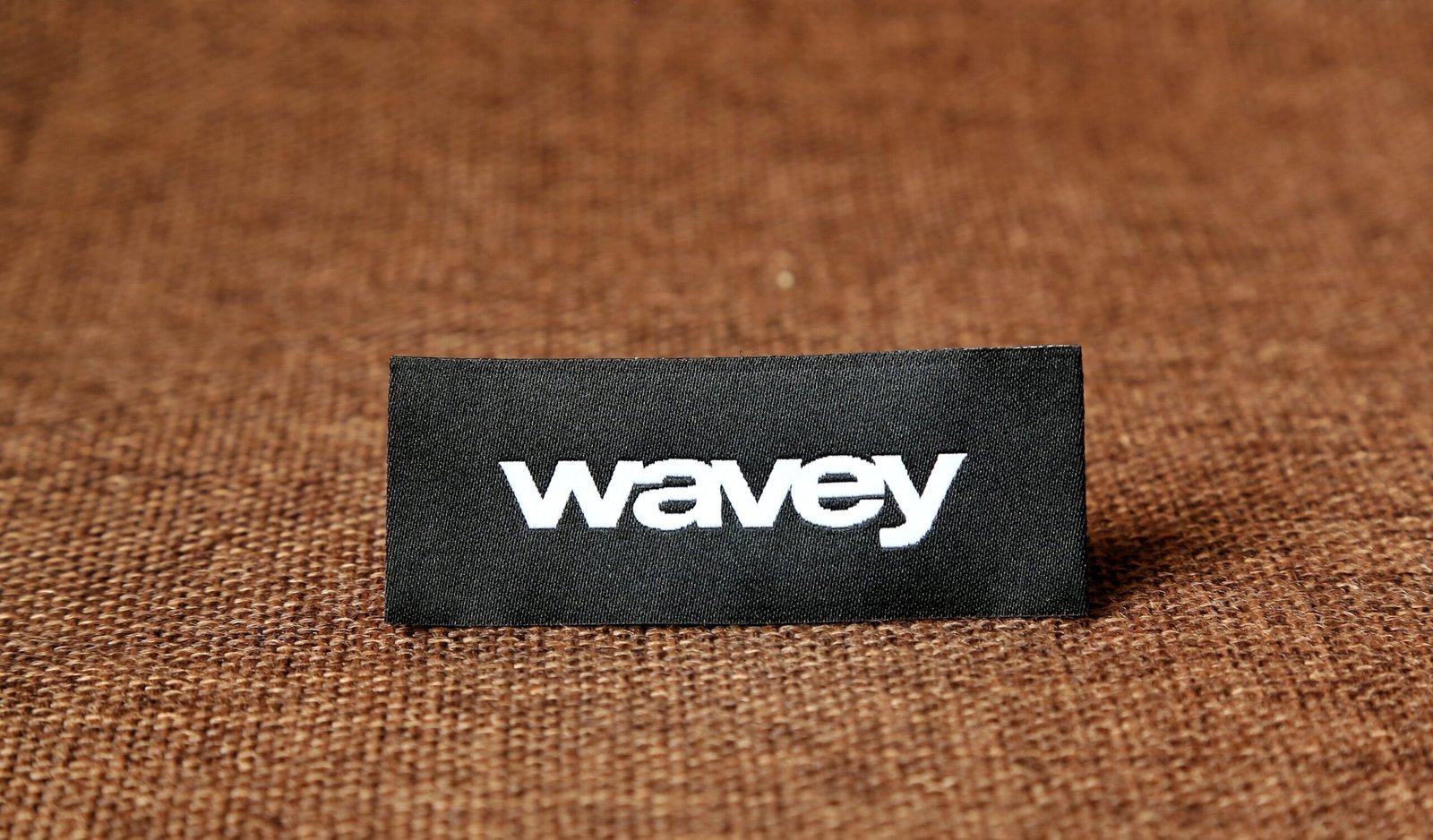
A premium blank hoodie costs $8–$12. A custom embroidered patch runs $2.50/piece at 100 units. A chenille patch is $3.00, and PVC is $3.20. Add a woven neck label and thoughtful packaging, and your all-in cost is $22–$28. But here’s the difference: you can wholesale the hoodie for $45–$55 and retail it for $65–$80 — because the patch signals quality.
That $40–$50 margin difference isn’t magic. It’s strategy. And it starts with understanding what customers actually value.
The Patch Signals Craftsmanship
When a customer unboxes a hoodie with a DTF print, they see a graphic. It’s flat, it feels cheap (because DTF ink sits on top of the fabric), and it looks like it came from a print-on-demand service. They might wear it, but they don’t feel like they bought something special.
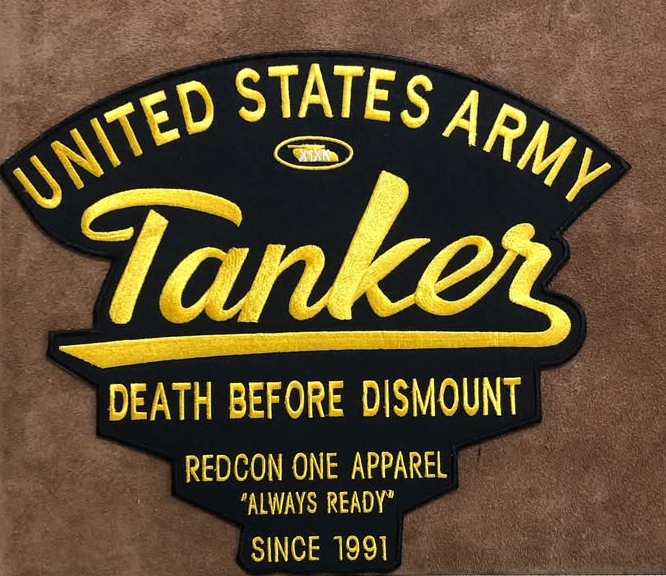
When a customer unboxes a hoodie with an embroidered or chenille patch, they immediately feel the difference. The patch has weight. It has texture. The stitching is visible. The embroidery sits slightly raised, or the chenille has a soft fuzz that moves when you touch it. This is not a printed graphic. This is something hand-finished.
That tactile difference — that moment when they run their hand across the patch — is worth $30–$50 in perceived value. Customers aren’t paying for the patch itself. They’re paying for the signal that the brand didn’t cut corners.
Material Vibes: Why the Choice Matters
Not all patches send the same signal. Each material has a distinct personality, and successful brands choose one and lean into it consistently.
Embroidered Patches: Timeless Premium
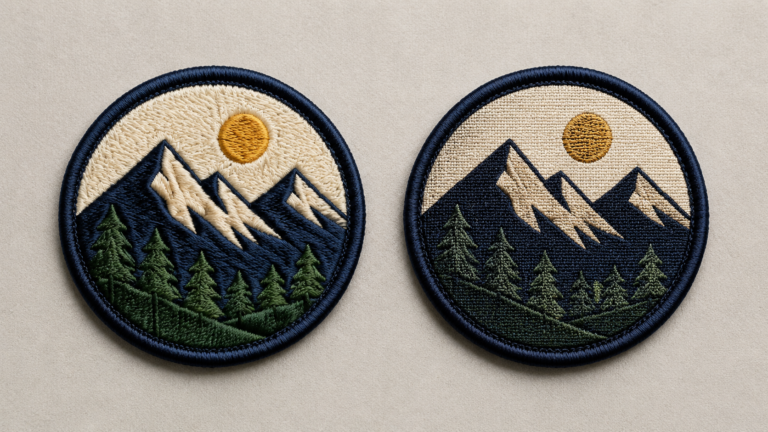
Embroidery reads as quality across every demographic and across decades. It’s the most versatile choice for brands building lasting equity. Thread is durable — a custom embroidered patch lasts as long as the garment does. The detail can be intricate: fine lines, multiple thread colors, small logos with sharp edges.
Best for: Brands positioning on craftsmanship, heritage, or classic aesthetic. A 3-color embroidered chest patch on a premium hoodie creates an instant prestige moment. At 100 pieces, you’re looking at $2.50/patch — a +$2.50 production cost that justifies a +$30–$40 retail lift.
Chenille Patches: Retro Sportswear Vibes
Chenille has a specific personality: it reads as retro, sporty, confident. The fuzzy, raised material catches light and photographs exceptionally well on Instagram and TikTok — which matters enormously for brands built on drop culture and influencer seeding. A chenille sleeve patch on a hoodie or varsity jacket stands out in photos in a way flat graphics don’t.
Best for: Brands targeting nostalgia, athletics, or the streetwear influencer market. Chenille is especially powerful on limited drops because it photographs with dimension and texture. At 100 pieces, chenille runs $3.00/patch. The Instagram advantage alone justifies the $0.50 premium over embroidery.
PVC Patches: Modern Rugged Luxury
PVC is a newer material in streetwear, popular with brands targeting grittier aesthetics. The material is thick, rigid, and comes in endless color options — perfect for modern, edgy branding. A PVC patch on a technical jacket signals modern design thinking. They photograph distinctly and feel premium in hand.
Best for: Brands positioning on innovation, performance wear, or luxury sportswear. PVC works for complex designs that embroidery can’t execute cleanly. At 100 pieces, PVC is $3.20/patch — the highest per-piece cost, but justified for brands where that rugged luxury aesthetic is core to the identity.
Real Example: How Lucci Brand Uses Patches to Own Their Category
Lucci Brand is a streetwear player that understood this equation early. Instead of trying to compete on Gildan blanks and DTF transfers, they moved into premium territory by combining quality blanks (heavyweight 350+ GSM fleece), custom embroidered sleeve patches, woven neck labels, and intentional minimalist graphics. The result: they can retail hoodies at $65–$80 in a market where $35–$45 is the median.
The patch isn’t the only tool — but it’s the signal. Customers see that embroidered patch and immediately understand: “This brand didn’t cut corners.” That understanding justifies the price premium.
And it works. Brands that position on craftsmanship and detail have higher customer lifetime value, lower return rates, and more organic word-of-mouth. The $2.50 patch investment returns multiples in customer perceived value and brand loyalty.
Why Patches Win on Social Media
Here’s a detail most streetwear brands miss: DTF prints are flat. Embroidered patches, chenille, and PVC all have dimension — they catch light, create shadows, and photograph with texture that flat graphics can’t match.
Custom 3D puff embroidery (embroidery raised further than standard flat embroidery) is trending hard on hoodies and caps because it adds visible dimension without changing the base fabric. On Instagram, TikTok, and any platform where the first impression is a photo, that dimension matters. A hoodie with an embroidered chest patch photographs as premium. The same design in DTF photographs as… a graphic print on a shirt.
If your brand is built on drop culture, limited runs, or influencer seeding — all of which rely on social media amplification — the patch choice becomes a distribution strategy, not just a decoration choice.
Strategic Placement Matters as Much as Material
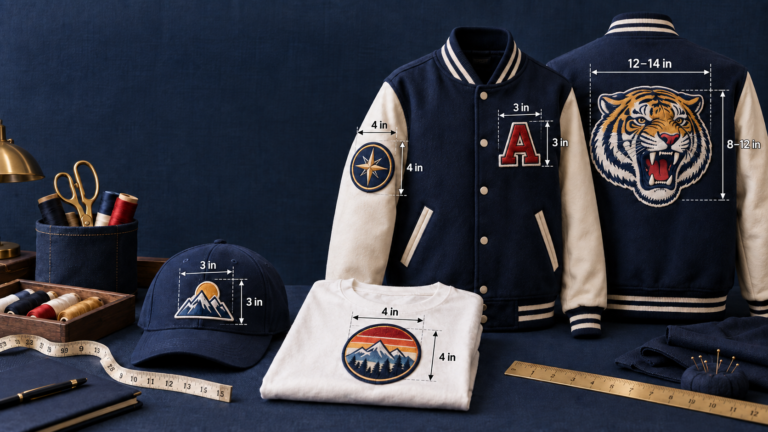
Where you place the patch is as important as what material you choose. Here’s the winning formula:
One hero patch + one supporting detail.
A hero patch on the left chest (3–4 inches) becomes the focal point. It’s visible in photos, it’s readable at distance, and it carries the brand identity. A supporting DTF detail on the back or sleeve (small, minimal) creates balance without overwhelming the garment.
The mistake most brands make is loading the hoodie with patches everywhere. It reads as costume-like. The brands that win are disciplined about placement. One strong patch. One supporting graphic. Done.
The Math That Makes Sense
Here’s the actual economics:
DTF Route: $15 blank + $3 DTF = $18 cost → $35–$40 retail → $17–$22 margin
Patch Route: $10 premium blank + $2.50 patch + $0.50 woven label = $13 cost → $65–$70 retail → $52–$57 margin
The patch route isn’t more expensive. It’s more profitable. And it builds brand perception that DTF can never achieve, no matter how good the design is.
Start Lean. Test the Market.
You don’t need to commit to thousands of units to see if this works. Start with 100–200 hoodies for a single drop. One quality blank, one embroidered sleeve patch, minimal supporting graphics. Test the market response. If it works, build on that formula. If it doesn’t, you’ve learned something valuable without betting the farm.
Want to explore patch options for your brand? Reach out for a quote and we’ll walk through material choices, placement strategy, and pricing based on your order volume.
Related Reading
- Embroidered vs. PVC vs. Chenille Patches: Real Durability Data — Material breakdown and what lasts longest for premium streetwear
- Embroidered Patch Placement & Sizing Guide — Perfect placement strategy for maximum visual impact
- AI-Generated Patch Designs vs. Real Embroidery — Design your brand patch from concept to finished sample
- Custom Patch Design: DIY vs. Professional — When to invest in professional design for your brand